Physical Address
304 North Cardinal St.
Dorchester Center, MA 02124
Physical Address
304 North Cardinal St.
Dorchester Center, MA 02124

People, Places and Life around East Tennessee
People, Places and Life around East Tennessee
A pivotal recording project helped bring rural American music to wider audiences.
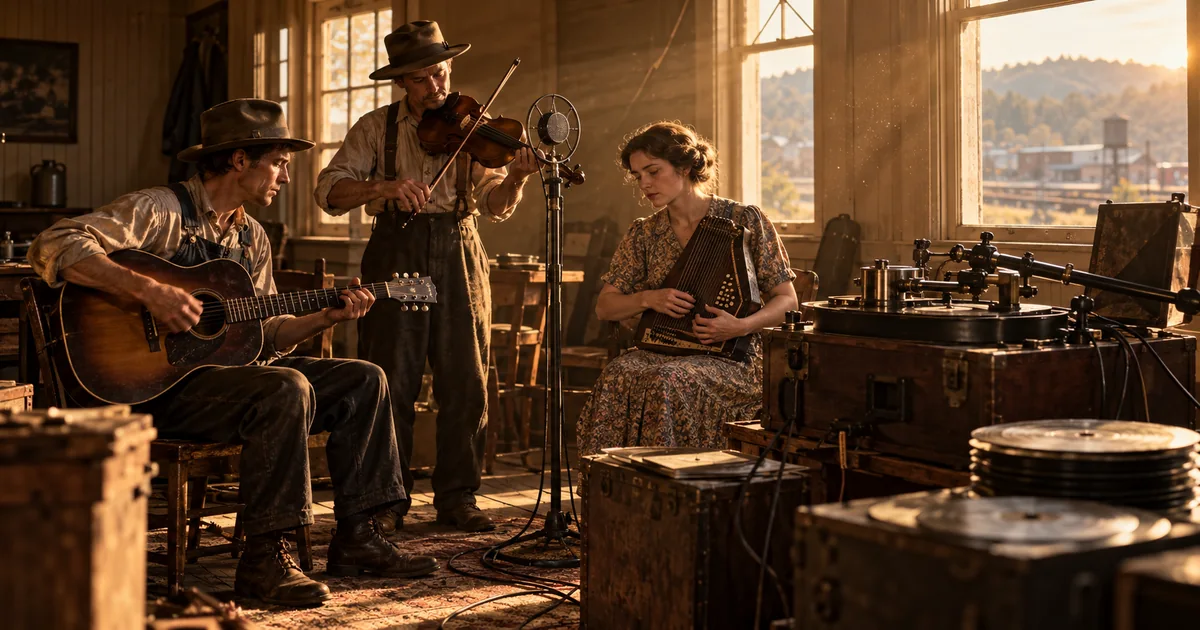
In the summer of 1927, recording producer Ralph Peer came to Bristol, Tennessee-Virginia, with portable equipment and an interest in the sounds of the region. The resulting Bristol Sessions became one of the most influential recording projects in the early commercial history of country music.
Over roughly two weeks, Peer recorded performers including the Carter Family, Jimmie Rodgers, and Ernest Stoneman. The Birthplace of Country Music Museum identifies 76 recorded songs by 19 acts from those sessions. The musicians brought varied influences and traditions, and the technology of commercial recording helped their work reach listeners far beyond the mountains.
These were not the first country-music recordings ever made. That distinction matters: calling Bristol the birthplace of country music recognizes the sessions’ outsized historical impact, not a claim that the genre suddenly appeared from nothing in one place.
The recordings helped shape how country music reached a mass audience. They also offer an opportunity to examine the broader musical traditions that fed early commercial country music: ballads, instrumental styles, sacred songs, and other forms of music circulating across communities.
Understanding that larger context makes the Bristol Sessions more interesting, not less. Popular music rarely begins with one person or one date. What changed in Bristol was the opportunity for particular artists and recordings to be heard and distributed on an important scale.
The Birthplace of Country Music Museum in downtown Bristol offers exhibits about the sessions and the world that produced them. The broader nonprofit organization also operates Radio Bristol and the Bristol Rhythm & Roots Reunion festival.
For local readers, the story is a reminder that international cultural influence can originate in places that may seem modest on a map. Nearly a century later, the recordings made in Bristol still invite new audiences to listen.
