Physical Address
304 North Cardinal St.
Dorchester Center, MA 02124
Physical Address
304 North Cardinal St.
Dorchester Center, MA 02124

People, Places and Life around East Tennessee
People, Places and Life around East Tennessee
FOLKS AND FATCS / SECTION NAME
A free woodworking booklet offers practical projects for anyone who enjoys making things—and watching wildlife enjoy them.
A squirrel peeking out of a wooden den. A chickadee investigating a new nesting box. Birds gathering at a feeder you built yourself. Sometimes, the most rewarding home improvement project is one made for the neighbors with feathers and fur.
For Tri-Cities residents looking for a hands-on project, Woodworking for Wildlife offers plenty of inspiration. This illustrated booklet from the Missouri Department of Conservation, available free through University of Missouri Extension, brings woodworking and wildlife watching together through approachable projects.
Originally published in 1983, the booklet has an appealing workshop simplicity: measured drawings, cutting layouts, construction notes, and explanations of where to install the finished project. Its introduction welcomes everyone from students and youth groups to experienced woodworkers—and notes that many projects can use leftover lumber.
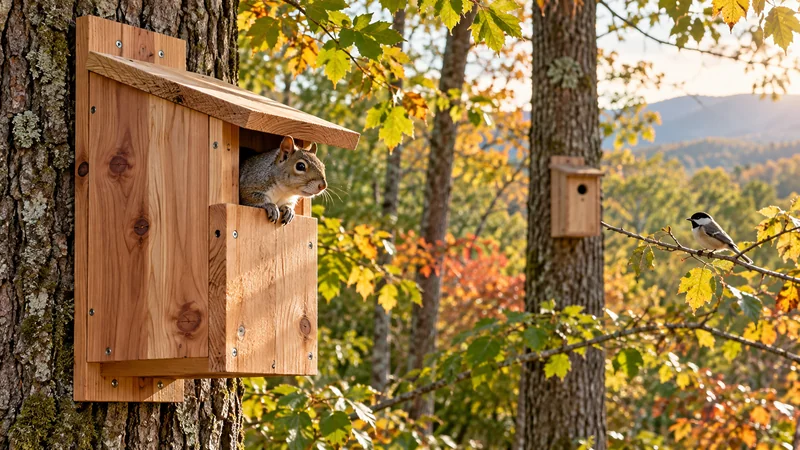
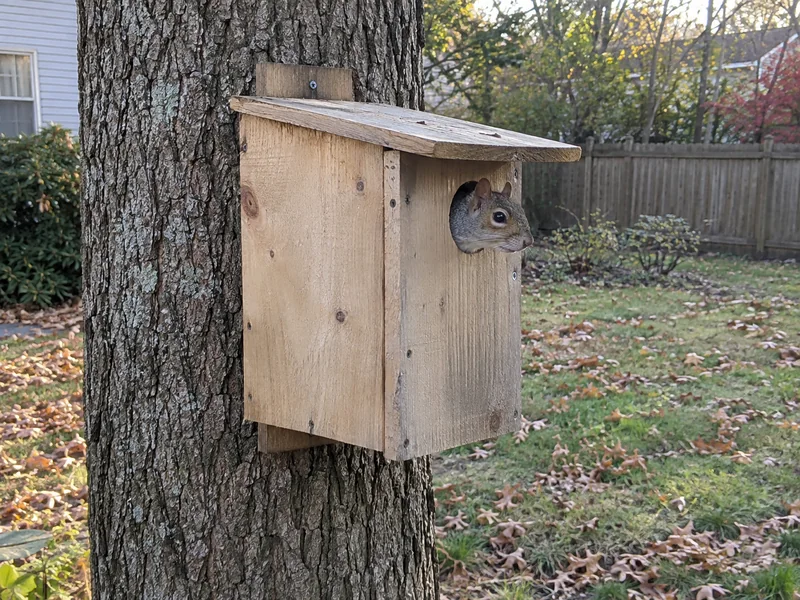
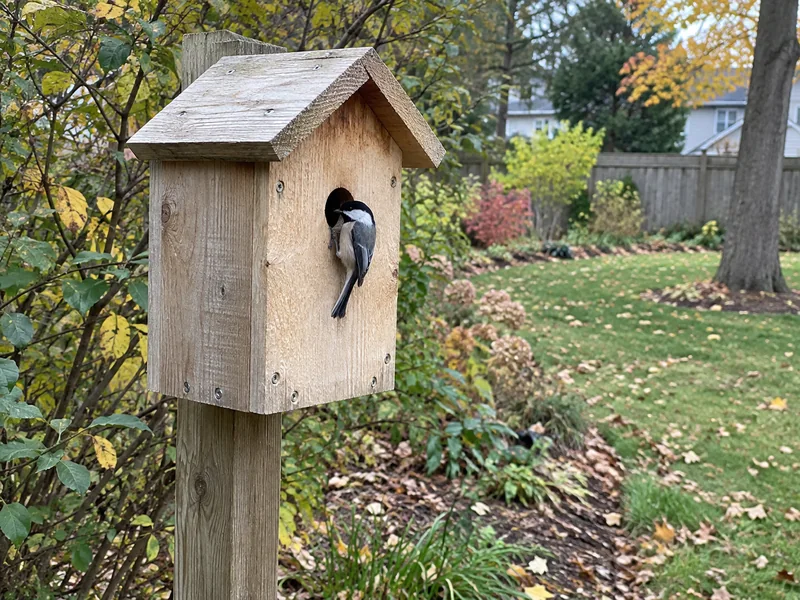
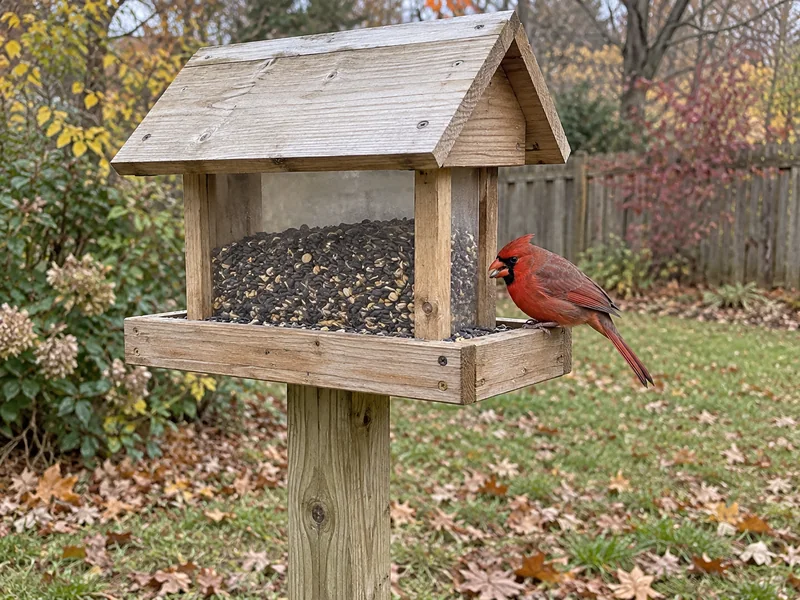
The booklet includes plans for bird feeders, squirrel den boxes, wren houses, wren and chickadee nesting boxes, a purple martin house, and nesting boxes for wood ducks, kestrels, and screech owls. A feeder offers a way to combine building with everyday birdwatching. The illustrated design includes transparent panels for checking the seed level, along with instructions for mounting and maintenance. The squirrel den box is another appealing option, especially for readers whose yards border trees or woodland. Its plans explain the importance of interior space, entrance placement, drainage, and access for cleaning. It is a practical reminder that a wildlife home needs more than an attractive exterior.
For those interested in a larger woodworking challenge, the multi-compartment martin house offers a more involved build. Other designs help readers explore how different animals need different kinds of shelter.
One of the booklet’s strengths is that it looks beyond the workbench. Alongside the drawings are installation suggestions and information about the intended occupants. That gives each project a second chapter. Once the measuring, cutting, and assembly are finished, there is the experience of choosing a location, observing visitors, and discovering whether the structure suits the wildlife nearby. For families, it can also become an ongoing learning activity. Children can help with age-appropriate tasks under adult supervision, then keep a notebook of sightings or photograph visitors from a respectful distance. A finished box can spark questions that last far longer than the afternoon spent building it.
A wooded backyard, an open lawn, and a property beside a pond offer different possibilities. Start with the animals you already see and the habitat available, then select a suitable project. Because this is a vintage Missouri publication, readers in Northeast Tennessee and Southwest Virginia should check current, species-specific guidance for dimensions, placement, and maintenance before building. Local conditions and nesting seasons may differ from those described in the booklet. You do not need to tackle every design. One thoughtfully chosen project is a good place to begin—and a reason to spend a little more time noticing the life outside your window.
Download the Woodworking for Wildlife PDF, browse the illustrated plans, and choose your first project.
Already built a wildlife house or feeder? Share a photo with Folks & Facts and tell us who moved in.
YOUR COMMUNITY. YOUR VOICE.
Know an inspiring person, an interesting place, or a story worth sharing? Folks & Facts is built around our community, and we’d love to hear from you.