Physical Address
304 North Cardinal St.
Dorchester Center, MA 02124
Physical Address
304 North Cardinal St.
Dorchester Center, MA 02124

People, Places and Life around East Tennessee
People, Places and Life around East Tennessee
Martial arts can offer children valuable skills and a sense of achievement. But when training becomes fighting, how much risk should families accept?
A child steps onto the mat, bows to an instructor, and begins learning a new skill. For one parent, the scene represents discipline, confidence, and personal growth. For another, it raises an uncomfortable question: Could my child get hurt? Both reactions deserve a thoughtful conversation. For families considering martial arts or combat sports, the answer depends on what children are actually being asked to do.
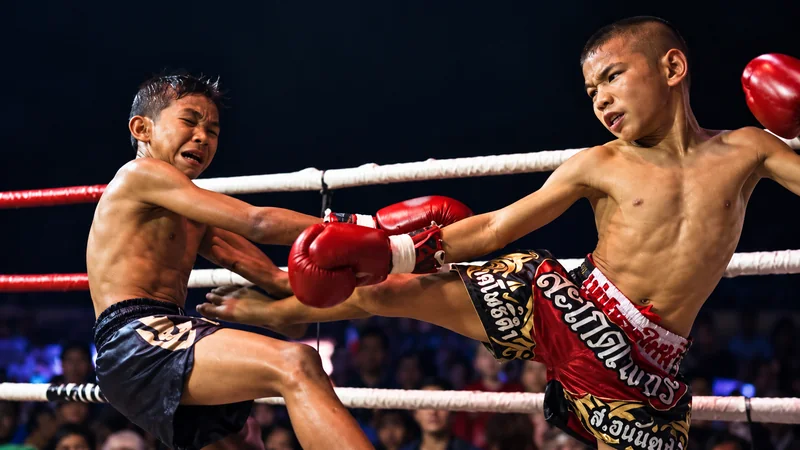
The American Academy of Pediatrics’ parent guide describes potential benefits of martial arts, including improved fitness, movement skills, and cognitive development. It recommends that beginners develop skills through noncontact practice before considering sparring. Contact introduces additional injury risks, including fractures and concussions.
The name on the gym’s sign tells only part of the story. Parents also need to understand the rules of the particular class: Are children practicing technique? Are they throwing or restraining one another? Are strikes allowed—and where?
A program’s emphasis matters, too. Is progress measured by learning and self-control, or by a child’s willingness to endure pain and defeat an opponent?

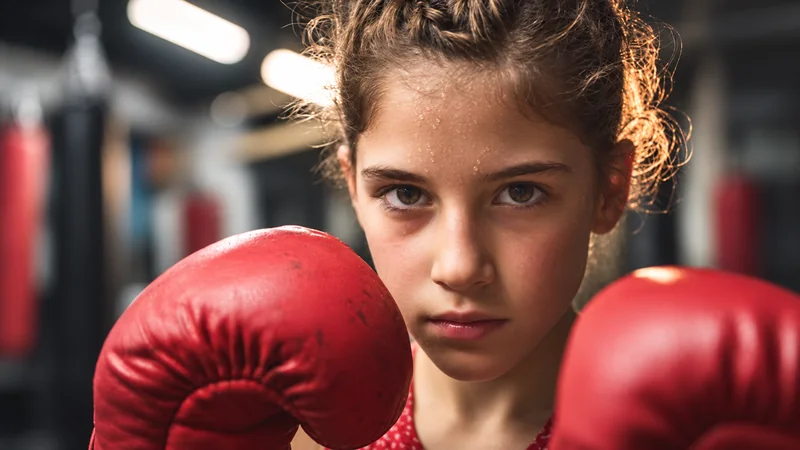
In a joint statement published in 2011, the American Academy of Pediatrics and the Canadian Paediatric Society opposed boxing for children and adolescents because the sport rewards intentional blows to the head and face. That concern distinguishes competitive boxing from fitness sessions built around footwork, conditioning, and punching bags.
The AAP’s parent guide also generally discourages mixed martial arts competition for young participants because of the risk of serious injury. Protective equipment has limits: mouthguards and padding can help protect teeth and soft tissues, but headgear should never be treated as protection against concussion.
When a concussion is suspected, a young athlete should stop participating immediately, receive medical evaluation, and stay out of play for the rest of that day. Returning to contact sport requires a supervised recovery process and medical clearance.
Additional paragraphs, subheadings, lists, photographs, embedded videos, or other relevant content can be included whenever necessary.
Children develop at different rates, and sports should fit their physical, emotional, and social abilities. The AAP encourages families to look for programs that emphasize enjoyment, appropriate rules, and participation rather than pressure to win.
Children should have a voice in that decision. Wanting to learn a martial art does not necessarily mean wanting to fight competitively. A child’s enthusiasm—and willingness to speak up when something feels wrong—belongs in the conversation alongside a parent’s goals.
For families across the Tri-Cities and beyond, the question is more specific than whether combat sports are “good” or “bad.” Which activities, under which rules, offer benefits worth the risks?

YOUR COMMUNITY. YOUR VOICE.
Know an inspiring person, an interesting place, or a story worth sharing? Folks & Facts is built around our community, and we’d love to hear from you.
