Physical Address
304 North Cardinal St.
Dorchester Center, MA 02124
Physical Address
304 North Cardinal St.
Dorchester Center, MA 02124

People, Places and Life around East Tennessee
People, Places and Life around East Tennessee
Halloween is often associated with ghosts, costumes, and trick-or-treating. But the holiday developed over many centuries, blending seasonal customs, Christian observances, immigrant traditions, and modern American culture. That history also helps explain why some churches host children’s events around Halloween—even though other Christians choose not to celebrate it.
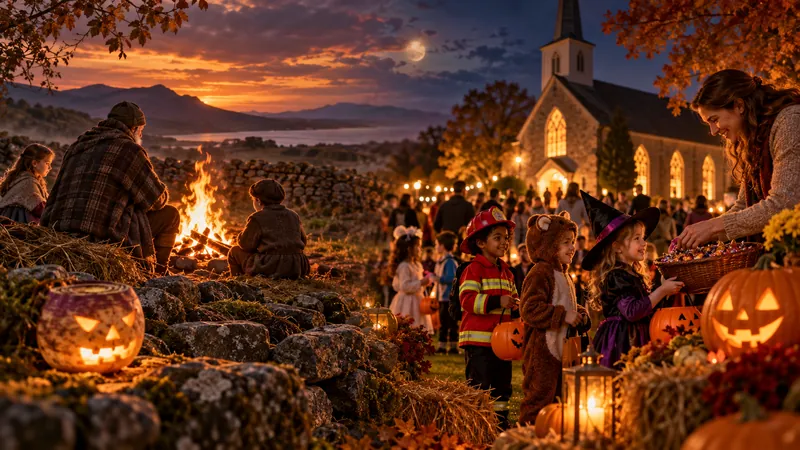
Halloween’s earliest roots are commonly connected to Samhain, an ancient Celtic festival marking the end of the harvest and the beginning of winter. It was observed around the time of year when days grew shorter and communities prepared for the cold months ahead. Accounts of Samhain describe beliefs about spirits and the dead, along with customs such as lighting bonfires and wearing disguises.
The modern holiday, however, is not simply an ancient ceremony preserved unchanged. Halloween developed as customs and beliefs from different periods met and evolved. Even the details of early traditions can be difficult to separate from stories recorded centuries later. The Library of Congress describes Halloween as a festival shaped by both Celtic and Christian influences.
In Western Christianity, November 1 is All Saints’ Day, also known as All Hallows’ Day. The evening before it was called All Hallows’ Eve—a name that eventually shortened to Halloween.
The Christian calendar also observes All Souls’ Day on November 2, a day associated with remembering the dead. As Christian observances and older seasonal customs came into contact, traditions blended in different ways across communities. The result was not a single, simple replacement of one holiday by another, but a long process of cultural change.
Some medieval European customs may sound familiar. In parts of England, poor people visited homes asking for small cakes called soul cakes and promised to pray for the household’s deceased relatives. In Ireland and Scotland, young people practiced guising: they wore costumes, visited homes, and sang, recited poems, or performed small tricks in exchange for food or coins.
These practices were not identical to today’s trick-or-treating, but they help explain how costumes and door-to-door visits became associated with the season. The modern American custom took shape much later. In the early 20th century, Halloween pranks sometimes became disruptive, and organized trick-or-treating offered communities a more family-friendly way to celebrate. The tradition spread widely after World War II, especially in growing suburbs.
The carved lantern known as a jack-o’-lantern also changed as the tradition traveled. Irish folklore included stories of lanterns carved from turnips. When Irish immigrants brought the custom to the United States, they found that pumpkins were larger and easier to carve. The pumpkin eventually became one of Halloween’s most recognizable symbols.
Costumes have changed just as much. Disguises once connected with folk beliefs now range from ghosts and witches to superheroes, movie characters, animals, and funny costumes. For many families, dressing up is simply part of the fun.
During the 19th century, Irish and Scottish immigrants brought seasonal customs, costumes, and house-to-house traditions to the United States. Over time, the holiday absorbed influences from different communities and became increasingly American in character. By the mid-20th century, schools, neighborhoods, businesses, and candy makers had helped make Halloween a major celebration, especially for children.
That history helps explain why Halloween today can look very different from the traditions associated with its early roots. For many families, it is a social occasion: decorating the house, choosing costumes, visiting neighbors, and sharing candy.
There is no single Christian response to Halloween. Some churches and families avoid it because they are uncomfortable with its associations with witchcraft, the occult, death, or frightening imagery. They may feel that taking part conflicts with their religious beliefs.
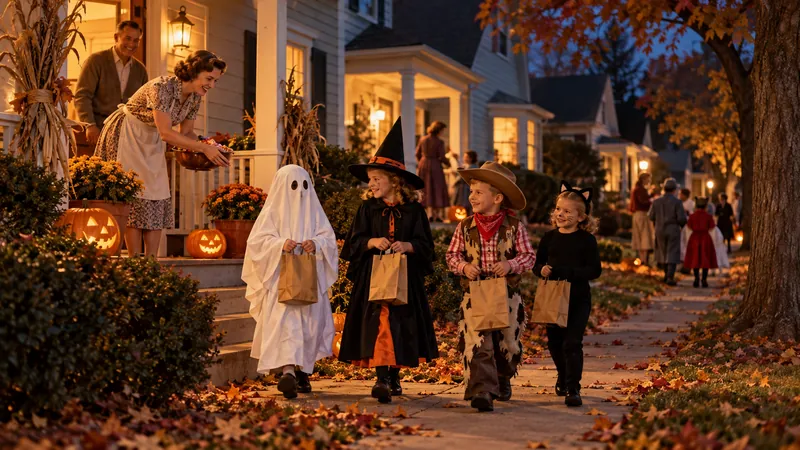
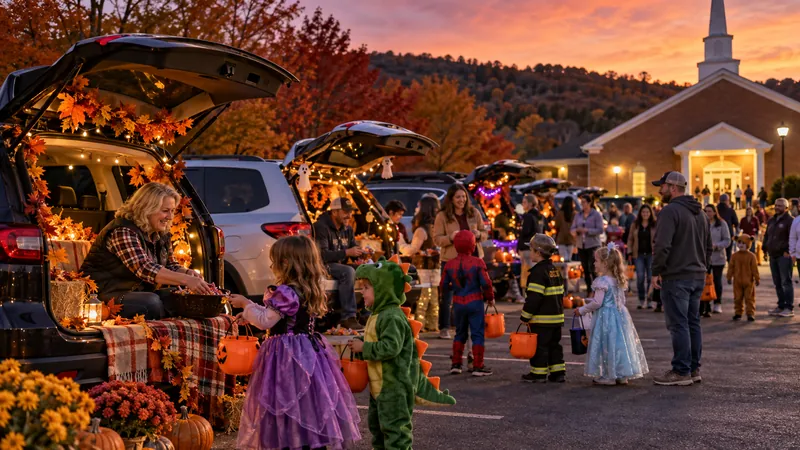
Other churches host fall festivals, family parties, or Trunk-or-Treat events. In a Trunk-or-Treat, adults decorate their cars in a parking lot and children walk from trunk to trunk collecting candy. Some events encourage friendly costumes or Bible characters and avoid frightening themes.
Churches that host these activities often see them as a safe way for families to enjoy an evening together, welcome neighbors, and build community. Their participation does not necessarily mean they are embracing the holiday’s older spiritual associations. The United Methodist Church, for example, notes that local churches may offer safe alternatives to traditional trick-or-treating, while also observing All Saints’ Day in a Christian context.
Other congregations choose not to hold Halloween events at all. These different approaches exist within American Christianity, and each church makes its own decision about how the occasion fits its beliefs and community.
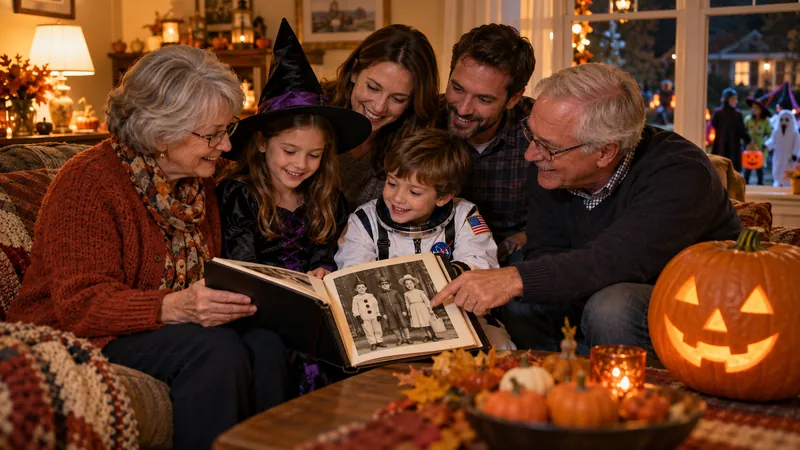
Halloween has evolved from seasonal customs and folk beliefs into medieval traditions, immigrant practices, neighborhood events, and a major part of American popular culture. Today, one child dressed as a pumpkin may see the night as a chance to visit neighbors, while another family may avoid the holiday because of its symbolism.
That is why Halloween can mean different things to different people: a cultural celebration, a children’s tradition, a commercial season, or a holiday with spiritual associations they would rather avoid. Understanding its history does not require anyone to celebrate it—but it does help explain why the same evening can be approached in such different ways.
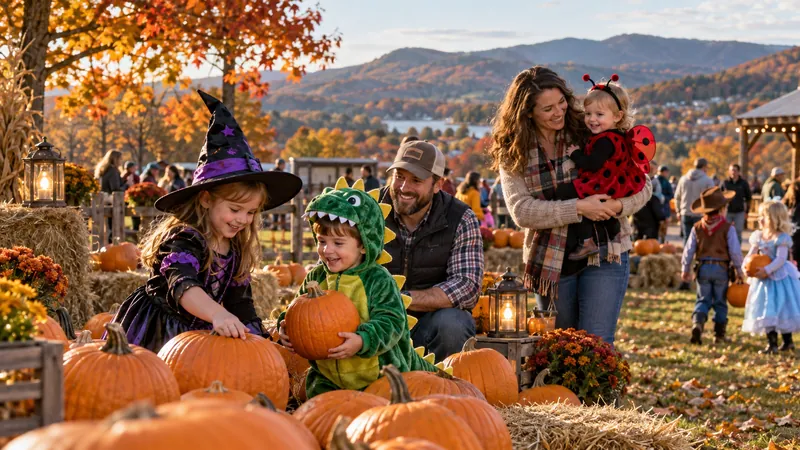
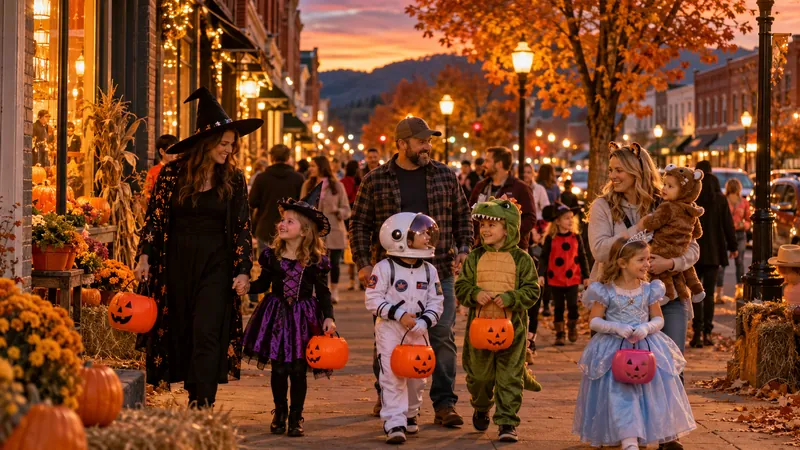
Halloween 2026 in Bristol TN. (illustrative images. Send us your real image to be placed here)
YOUR COMMUNITY. YOUR VOICE.
Know an inspiring person, an interesting place, or a story worth sharing? Folks & Facts is built around our community, and we’d love to hear from you.