Physical Address
304 North Cardinal St.
Dorchester Center, MA 02124
Physical Address
304 North Cardinal St.
Dorchester Center, MA 02124

People, Places and Life around East Tennessee
People, Places and Life around East Tennessee
Tennessee’s oldest town invites visitors to explore history and the art of storytelling.
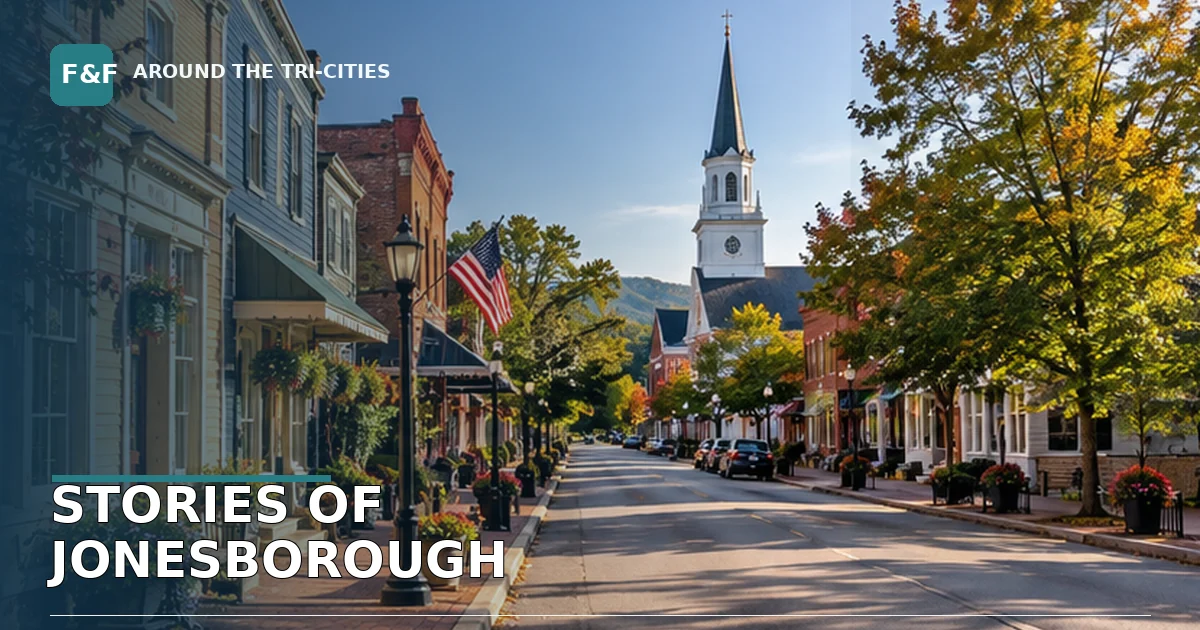
Jonesborough has a distinctive place in Tennessee history. Established in 1779, before Tennessee became a state, it is recognized as the state’s oldest town. Today, its historic downtown offers an inviting setting for people interested in architecture, local heritage, and storytelling.
A walk through Jonesborough rewards visitors who enjoy looking closely. Older buildings, storefronts, and historic details make the downtown feel different from a typical commercial district. It is a place where an unhurried stroll can be part of the experience, rather than merely a way to get from one attraction to another.
The Chester Inn, built in 1797, is one important landmark. Its museum explores the town’s history, including the period of the State of Franklin. Before visiting a historic site, confirm its operating hours; smaller museums may follow seasonal schedules.
Jonesborough is widely associated with the National Storytelling Festival and its tradition of sharing stories aloud. That cultural identity gives the town an appeal beyond its age. History becomes more compelling when people connect dates and buildings to personal accounts, folklore, and the experiences of those who lived there.
Storytelling is also a reminder that a community’s history is not only contained in plaques and archives. It continues through families, gatherings, and conversations.
Consider combining a downtown walk with a museum visit, time in local shops, or a meal nearby. Check event calendars for festivals or performances, but do not assume a particular event is scheduled on the day you arrive.
Jonesborough offers a valuable lesson to the wider Tri-Cities area: preserving a place’s character can create opportunities to discover its past while still enjoying its present.